
Bathtub peeling repair is a common concern for many Greater Toronto Area homeowners and renters. Peeling surfaces often point to deeper causes beyond simple wear and tear. Whether it’s a century-old clawfoot tub or a modern reglazed model that’s already flaking, climate, water quality, and cleaning habits across Toronto play a major role. Harsh winters dry out indoor air, while sticky summers crank up moisture buildup—worsening the damage to tubs and even sinks.
Ventilation also matters. During long, cold seasons, excess humidity tends to get trapped in bathrooms, speeding up surface deterioration. In older homes—like Toronto’s vintage Victorians or historic row houses—outdated finishes may not withstand these regional conditions. Ignoring bathtub surface peeling doesn’t just affect appearance. It creates slippery, unsafe surfaces and can lead to costly repairs down the line.
Is Bathtub Paint Coming Off Dangerous?
Yes—peeling bathtub paint isn’t just about looks. In older Canadian homes built before the 1980s, it may contain lead, making bathtub paint peeling dangerous. Toxic flakes can be touched, inhaled, or even swallowed, which is especially risky for kids, pets, and people with allergies or breathing issues.
Even newer tubs can pose health risks if peeling paint gets into bathwater or becomes airborne. The bathtub peeling danger also includes slipping hazards—chipped paint can clog drains or create slick surfaces, raising the risk of falls. Over time, flaking areas trap moisture, which encourages mold and bacteria, making your bathroom less safe and sanitary.
Common Triggers of Bathtub Peeling in Most Bathrooms in GTA
Reglazing Gone Wrong
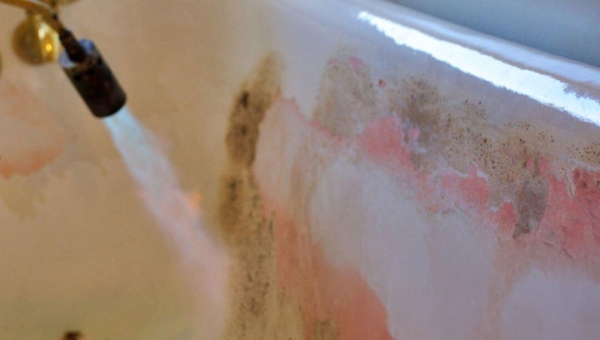
One of the most common causes of reglazed tub surface flaking is poor workmanship — an issue particularly prevalent in older Canadian homes. Reglazing or refinishing isn’t a quick cosmetic fix. It is a multi-step process that demands careful sanding, etching, priming, and curing under ideal conditions. If low-grade materials are used or the work is done in cold, damp places like basements or during winter, the finish won’t stick properly. Within weeks, you might see signs of refinished tub peeling, especially near the drain or along the edges.
Moisture makes things worse, and if the surface underneath isn’t treated right, bathtub glaze peeling is almost guaranteed. To avoid constant flaking and costly re-dos, make sure to hire pros who follow every step from prep to finish.
Cheap Fixes and Use of Low-Quality Materials
Bathrooms in the State of Ontario deal with a lot of moisture due to long winters and humid summers. When cheap reglazing kits or budget coatings are used, they often can’t handle daily hot showers, poor ventilation, or harsh cleaning products.
DIY fixes may promise fast results, but they usually don’t last. You’ll start to see problems like bathtub glaze peeling which are visible as dull spots or bubbling near areas that stay damp. Even some professional jobs can fail when low-quality materials are used, leading to bathtub coating peeling that affects both how the tub looks and how safe it is.
This issue is common in many rental units, where landlords usually choose to use quick cosmetic updates to boost appeal. But when the job is rushed or wrong materials are used, it leads to bathtub peeling in apartment buldings—leaving tenants with flaky surfaces and landlords stuck with repeat repairs.
The worst problem is tub lining peeling, where the top layer breaks away completely due to moisture and mismatched coatings. At that point, bathtub peeling repair becomes urgent, not optional.
To avoid this mess, it's worth hiring pros who know what they’re doing and use strong, weather-resistant materials made for Toronto’s unique climate.
Surface Compatibility Mistakes
Older Canadian homes often have classic fixtures like clawfoot tubs and vintage sinks. These are usually made from layered materials—porcelain, enamel, or fiberglass. But when these get refinished, things can go wrong fast if the materials aren't treated properly.
Many contractors use generic coatings that don’t match the surface. This leads to problems like:
- Refinished sink peeling, especially around drains
- Porcelain bathtub peeling from the wrong kind of epoxy
- Enamel peeling bathtub issues due to poor curing
- Fiberglass tub peeling caused by skipping steps like sanding or etching
These mistakes come down to not checking if the new finish is actually compatible with the original surface. Without proper prep and the right products, the new layer won’t stick—and that’s when the damage starts. Whether you're fixing up a house or managing an apartment building, using the right materials and methods really matters.
Climate-Related Moisture & Curing Issues
In Canadian homes, cold winters and heavy rain can make reglazing bathtubs tricky. When bathrooms don’t have fans or proper airflow, humidity gets trapped and messes up how the new surface dries.
Sometimes, contractors use coatings that don’t match the surface. This leads to problems like:
- Bathroom sink paint peeling, where the finish flakes off too soon
- Bottom of bathtub peeling from steam and standing water
- Bathtub lining peeling, especially in rental units without exhaust fans
- Bathtub surface peeling near edges or spots that stay damp
- Peeling paint in bathroom shower areas like ceilings and walls
- Bathtub coating peeling caused by using hot water before the glaze fully sets
Even if applied correctly, reglazing can still fail when temperatures change too fast. That’s why it’s important to use climate-safe products and have proper ventilation. If shortcuts are taken, you might end up needing bathtub peeling repair much sooner than expected.
Cleaning Mistakes That Lead to Damage Surfaces
Many households in Toronto use bleach, acidic agents, or abrasive powders as go-to products for cleaning the bathroom. But these harsh cleaners can slowly wear down surfaces and turn well-loved fixtures into costly repair projects. For example, older enamel models may suffer from clawfoot tub peeling after repeated use of rough scouring pads or steel wool.
Even bathroom sinks aren’t immune. Painted or reglazed surfaces are especially vulnerable. Once the surface is scratched or weakened, damage like painted bathtub peeling or flaking finishes around the sink can quickly spread. And it’s not just tubs and sinks. Bathroom tiles and other refinished elements react just as poorly when exposed to strong chemicals and lose their sheen and durability much faster than expected.
After reglazing, bathtubs and sinks require careful maintenance to preserve their finish. Using pH-neutral, non-abrasive cleaners and soft cloths help you avoid situations where your bathtub is peeling or finishes begin to erode prematurely.
Residue and Contaminants Left on Surface
In some areas in Toronto, tap water has high mineral content and can leave calcium deposits and soap scum on bathroom surfaces. If left uncleaned before reglazing, these stubborn residues may impair proper bonding and lead to premature surface deterioration. One typical outcome is the flaking and chipping of bathroom fixtures—be it a sink or a peeling tub—particularly in rental units where cleaning routines are inconsistent. But even in well-maintained spaces, things like dirt or harsh cleaners can cause tub finish peeling which not only affects how the bathroom looks but also shortens the life of the fixture.
How to Fix Peeling Bathtub Paint
The safest and most effective solution is professional repair. Reglazing done by certified experts offers superior surface preparation and climate-controlled curing which are both essential for long-lasting results. DIY touch-ups aren’t recommended unless you're confident working with chemical coatings and specialized tools.
If you're looking into how to remove peeling bathtub paint, it’s wise to consult with local specialists who can assess moisture levels and surface compatibility before recoating.
Keep these tips in mind to avoid needing another bathtub peeling repair anytime soon:
- Use soft, non-abrasive cleaners made for refinished surfaces.
- Avoid bathmats with suction cups, which can lift the coating.
- Maintain good bathroom ventilation to reduce moisture buildup, especially during winter.
- Let newly refinished surfaces cure undisturbed for at least 48–72 hours.
- Choose licensed Canadian professionals familiar with local climate concerns.
Avoid Costly Damage with Bathtub Peeling Repair
Homes in GTA face unique challenges when it comes to maintaining bathroom surfaces, including fluctuating temperatures and indoor humidity from freezing winters to high-humidity summers. When finishes start to peel, it’s often a sign that something’s gone wrong beneath the surface. Bathtub surface damage isn’t just cosmetic—it can lead to deeper issues like mold, structural deterioration, and costly repairs.
Proactive maintenance is the key to preventing recurring damage. Whether your home is new or decades old, taking care of these issues promptly saves time, stress, and money down the road.
You deserve a bathroom that feels fresh, clean, and comforting. It should be a place of comfort, not frustration. When signs of damage appear, it’s best to act quickly and invest in professional bathtub peeling repair before the damage spreads.
Noticed signs of bathtub peeling?
Don’t wait for the damage to spread. Contact our team today for a free estimate and to schedule your professional bathtub peeling repair in Toronto and the GTA.